
ENERGY HEALING
What Is Holistic Healing?
And Why More People Are Talking About It
By Aurelija Aspen | April 2, 2026
The most common response was: “What is holistic?”
That moment stayed with me, because I’ve experienced the value that holistic work can bring, not just to the body, but to all areas of life.
People are actively looking for ways to feel better, physically, mentally, and emotionally, yet many don’t even know that holistic healing exists.
This article is here to change that.
What Is Holistic Healing?
Holistic healing means looking at health as a whole system, not just isolated symptoms. It’s based on a simple idea:
Your physical health is connected to your thoughts, emotions, lifestyle, and environment.
Instead of focusing only on the consequence, holistic healing looks deeper and asks:
"What in my life or internal state might be contributing to this?"
It’s not abstract. In fact, it’s very practical. Think about this:
- When you're happy → your entire life experience feels different
- When you're unwell → it can feel like there is no space for ease or joy
Your body and mind are not separate systems — they constantly influence each other.
Is Holistic Healing a New Concept?
What we now call “holistic healing” was actually the foundation of medicine for thousands of years.
Hippocrates (c. 460–370 BCE)
Often called the “Father of Medicine,” he didn’t just look at disease, he looked at the person’s life:
"It is more important to know what sort of person has a disease than to know what sort of disease a person has."
Avicenna (980–1037 CE)
One of the most influential physicians in history, whose work shaped medicine for centuries:
"The physician should not only treat the disease, but also the patient."
Why Did Holistic Healing Become Less Common?
Modern medicine evolved in a different direction, for good reasons. It became:
- More precise
- More specialised
- Incredibly effective in emergencies and acute conditions
The Mind–Body Connection (Psychosomatic Link)
Today, science clearly shows something important: The mind and body are deeply connected. This is known as the psychosomatic connection.
For example:
- Stress can cause headaches or digestive issues
- Anxiety can affect breathing and heart rate
- Long-term emotional tension can influence immunity
This is medically recognised.
Holistic vs Conventional Medicine: What's the Difference?
While conventional medicine often focuses on treating symptoms and affected areas, holistic approaches look at the broader picture, exploring how different aspects of life and internal state may contribute to what we experience.
Conventional Medicine
Approach
What it focuses on
Physical body (symptoms and affected area)
Whole system (body, mind, emotions, lifestyle, environment, and internal state)
Typical methods
Medication, procedures
Nutrition, stress regulation, energy work, lifestyle habits
Holistic healing includes many approaches: some focus more on the body, some on lifestyle and daily habits, and some work more directly with the body’s energy and its energetic field, often described as energy-based practices.
All of them are different ways of working with the same connected system.
Why Holistic Healing Matters Today
Today, more and more fields are moving back toward this integrated view:
- Mind-body medicine
- Neuroscience
- Stress research
- Preventive health
We’re beginning to understand again: You can’t fully separate the body from the mind, or the mind from life experience.
How to Start Understanding Holistic Healing
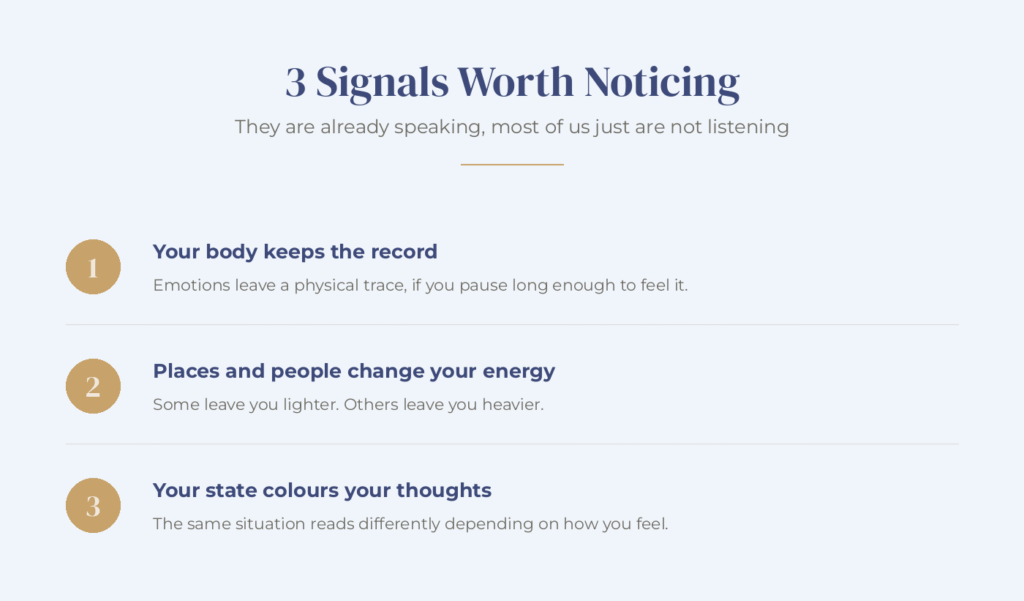
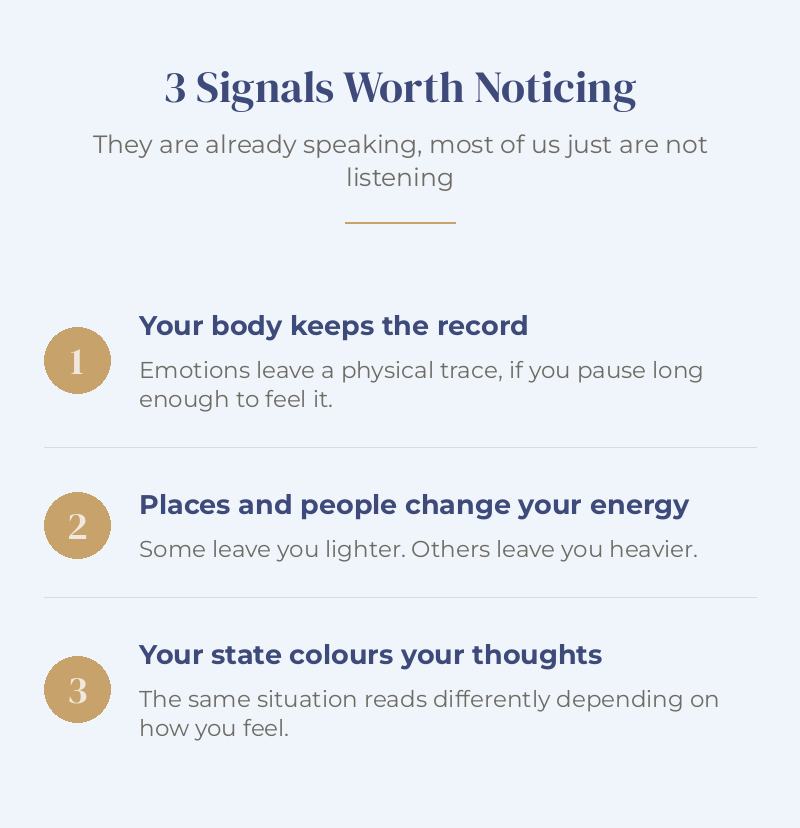
You don’t need to believe in anything unusual. Just start by noticing your own experience:
- how your body responds to different emotions
- how your energy changes in different environments or with different people
- how your thoughts shift depending on your state
Understanding holistic healing often begins with recognizing how deeply connected the different aspects of your experience are.
Final Thoughts on Holistic Healing
What Is Energetic Reprogramming?
The Energetic Reprogramming Method™ is a holistic approach that works through direct internal experience, rather than primarily through analysis or conversation.
It helps people shift their internal state: how they feel, think, and respond. When that internal state changes, people often notice:
- More calm
- Less tension
- Clearer thinking
- Shifts from limiting beliefs to more empowering ones
This is about direct experience.
Ready to Go Deeper?
If you feel ready to explore energetic reprogramming, discover what to expect from a session and find the right option for you.
Continue reading: what is mental and emotional hygiene? or root cause healing.